Reading · The Archive
The Journal
Essays on the work — the not-for-sale idea, the people it honours, the study that took it seriously, and how you value art that isn't for sale.
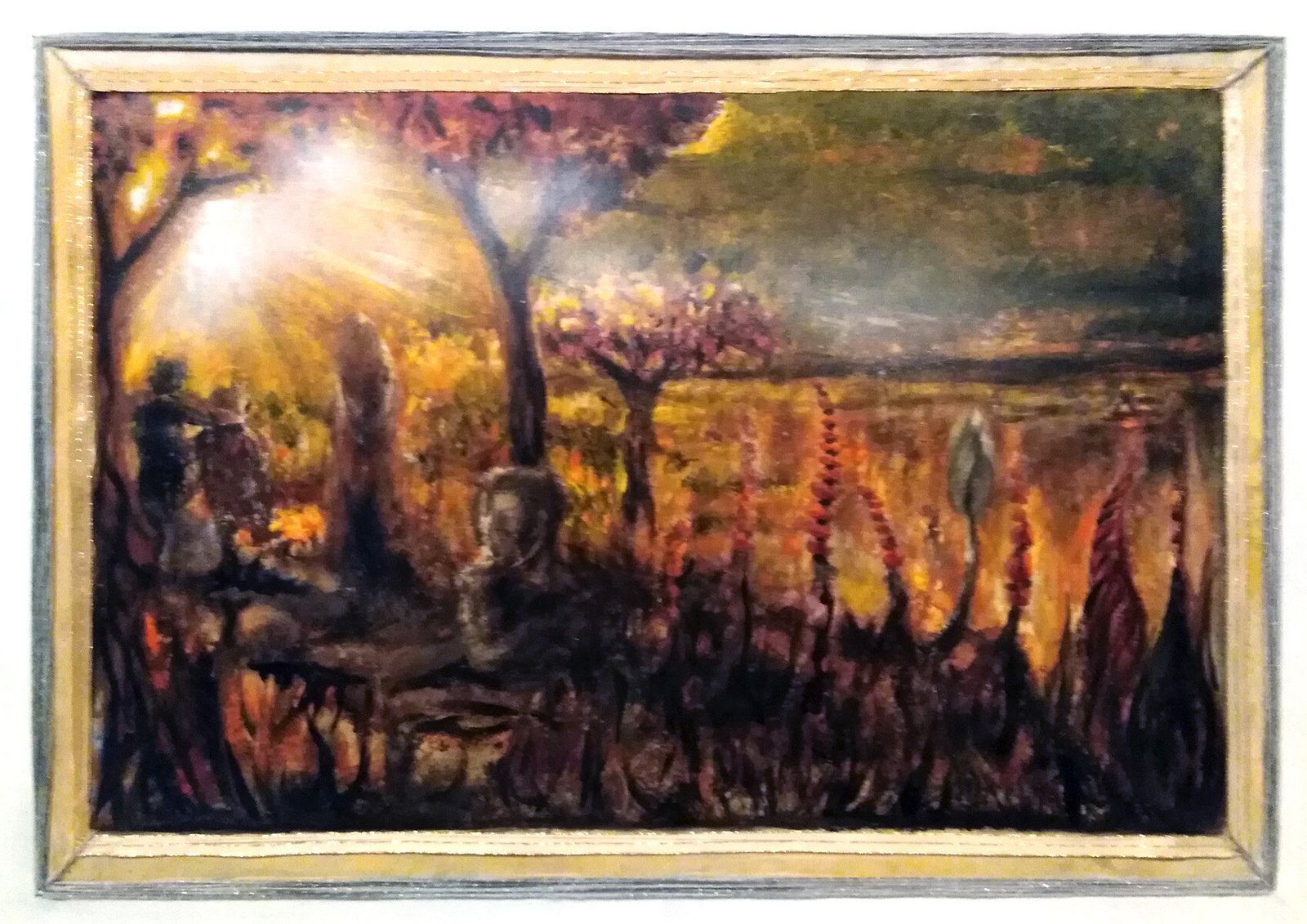 Visit the studioCome to the studio: art in Cottbus, up closeStev Varga's studio in Cottbus is a working room and an open door. Here is how to visit — and what you'll find.
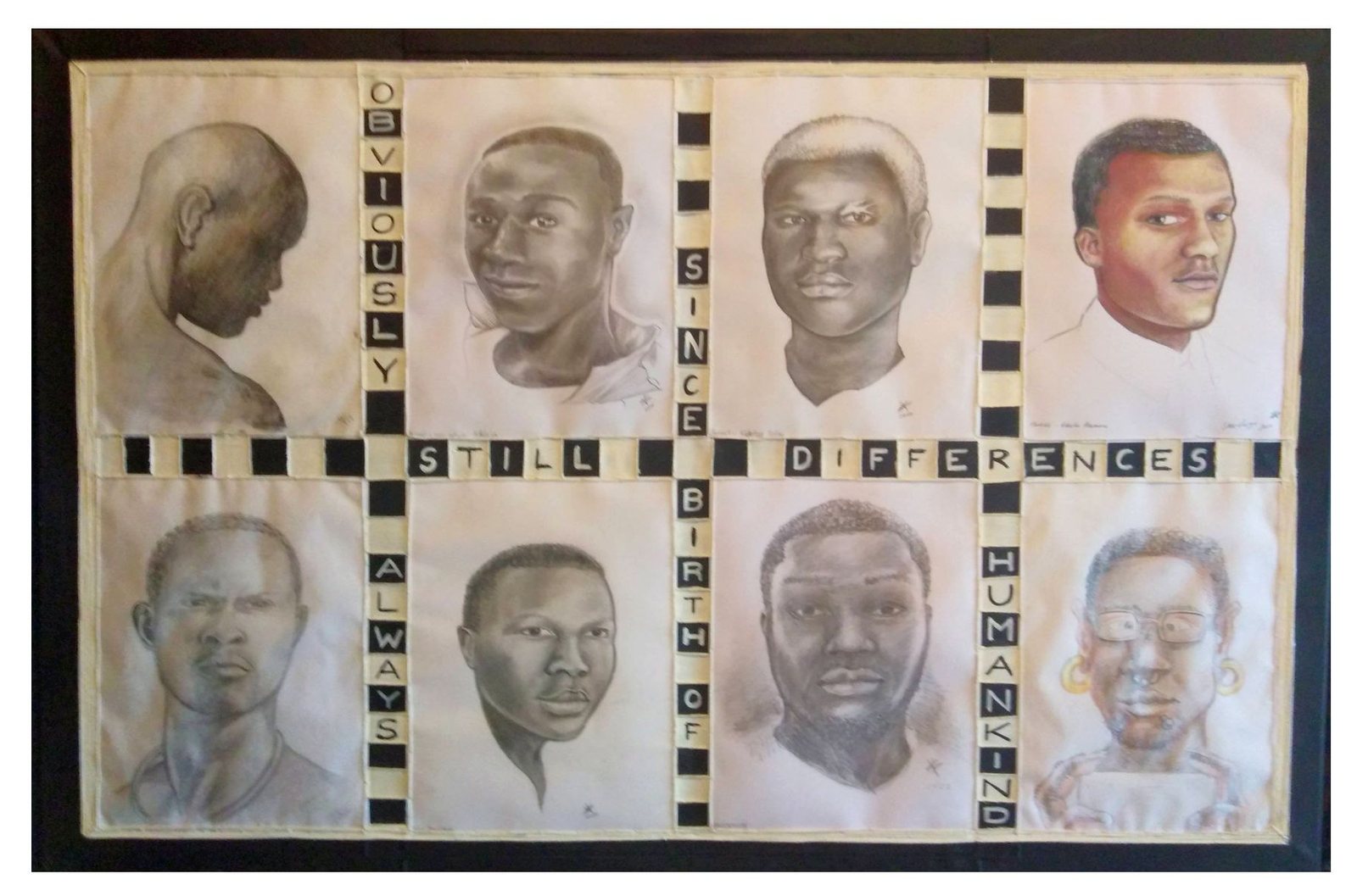 CommissionsHave Stev paint for you: commissions in CottbusBeyond the archive, Stev Varga paints on commission for private individuals — portraits and personal pieces, in his own mixed-media hand.
 Art in CottbusExperiencing art in Cottbus: museums, studios and the second lookA short guide to art in Cottbus — the museum, the artists' quarter, the open studios, and where one self-taught painter fits in.
 The ModelNothing is for sale. You decide what it's worth.Stev Varga shows his whole archive for free and lets the city price it — and that is exactly why people can't stop valuing it.
The Xenoase seriesAn archive for the overlookedThe largest body of Varga's work honours African lives in Lusatia — and in 2025 it became the subject of the first academic study of his practice.
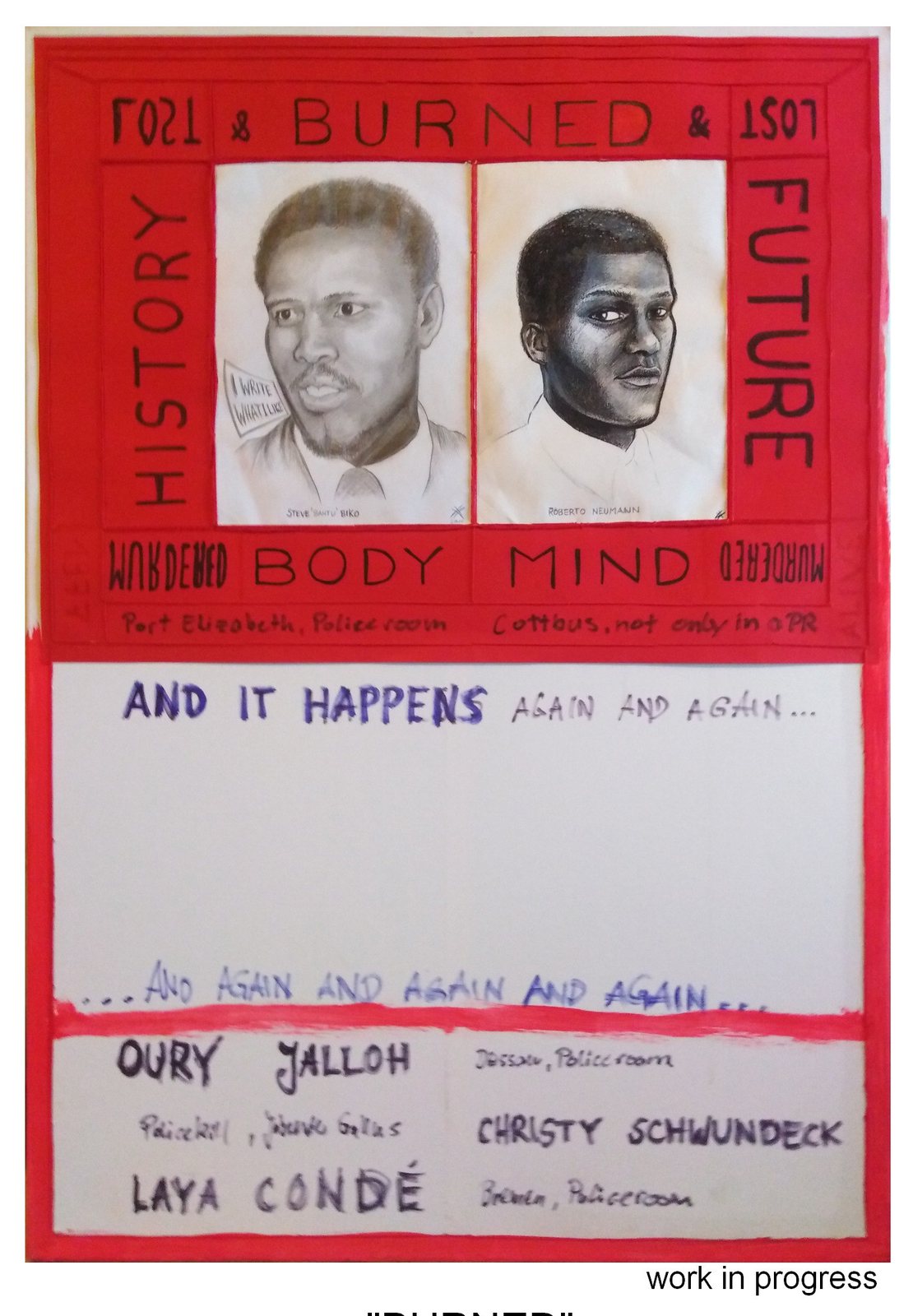 BURNED · SV-054And it happens again and againOne painting names the dead. It is the moral centre of the archive — a memorial built against forgetting.
The valuation frameworkHow do you price art that isn't for sale?Seven factors decide what any artwork is worth. Every one of them already has evidence in Varga's archive.
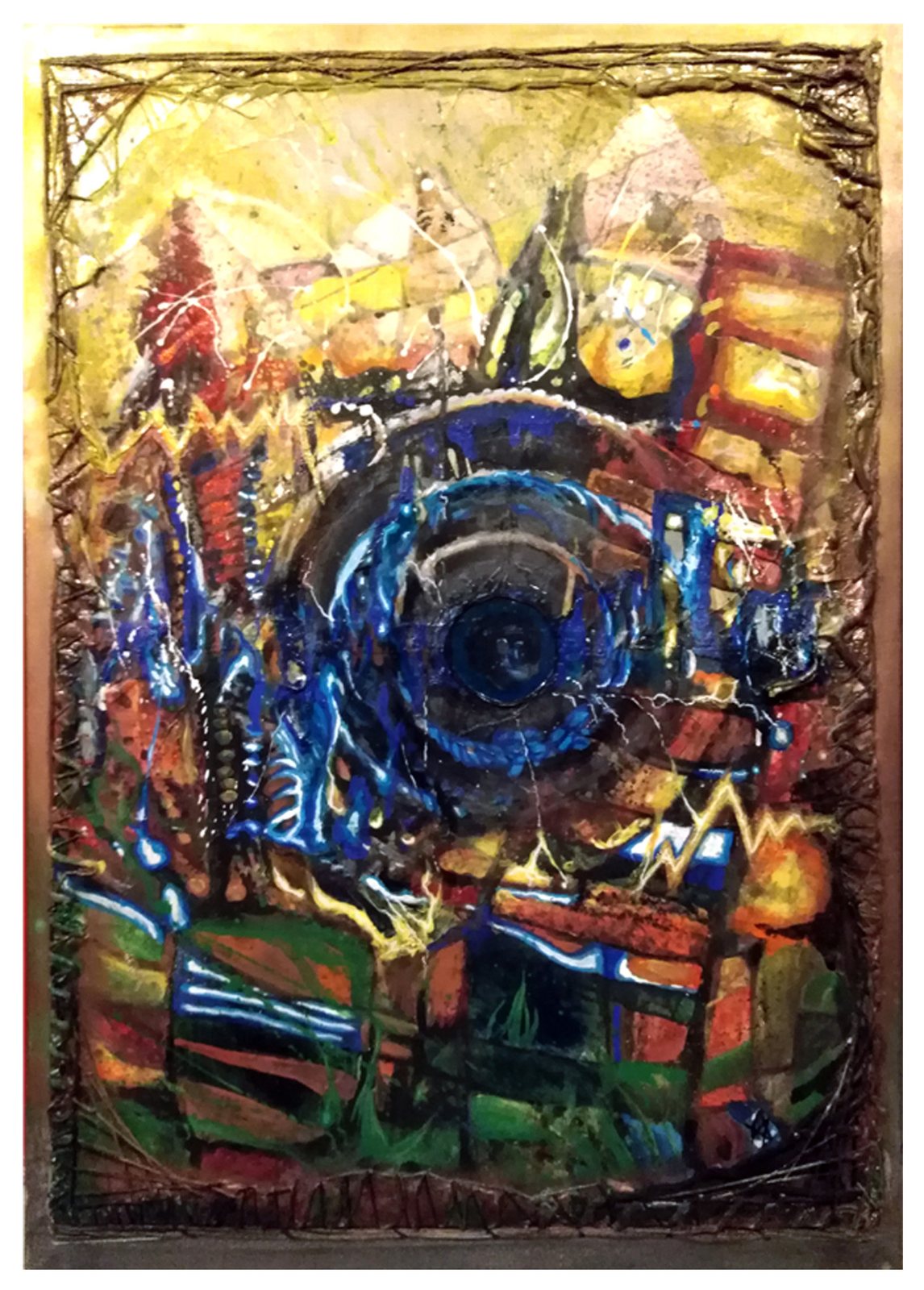 The artistPainted the way books are boundNobody taught Stev Varga to paint. A bookbinder's training did — layer over layer, stitched and fixed and held.
 Red · White · BlackTwo flags, one mirrorVarga repaints symbols Germans think they know — until they ask questions back.